
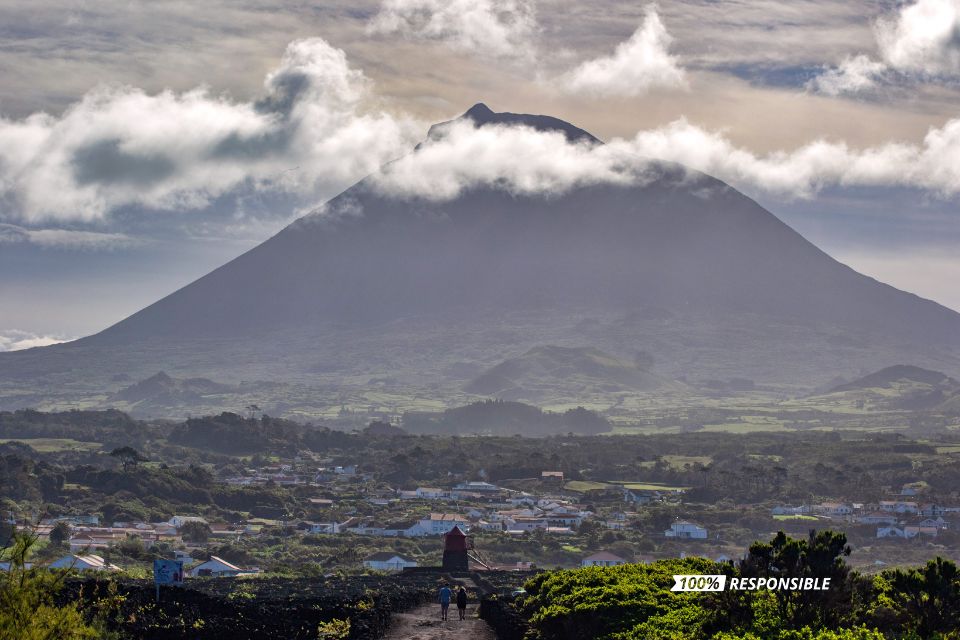
It is the second largest island in the archipelago, with an area of 448,4 km2 and a population of approximately 13.800 inhabitants spread over 17 parishes and three municipalities, the island of Pico is also known for the mountain island.
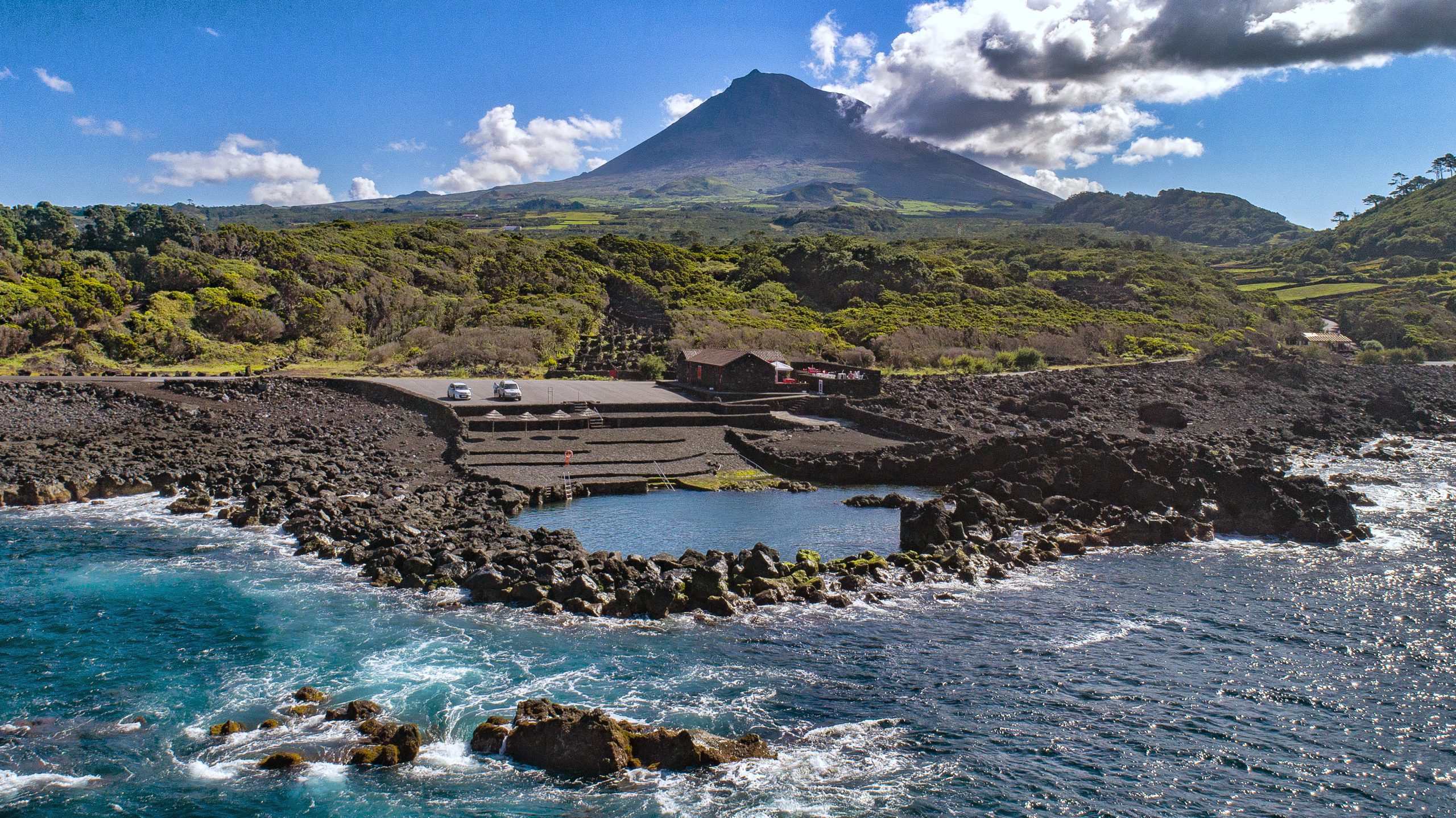
Geologically formed around 300.000 years ago, it is the youngest island of the archipelago and therefore the marks of its recent volcanism are clearly visible, made up of black basalt terrain, giving it a raw and rough appearance of a land still evolving. Its high and majestic mountain with 2.351m of altitude it he highest mountain of Portugal, a dormant stratovolcano that delights the eyes of those who visit the central group of the Azores.
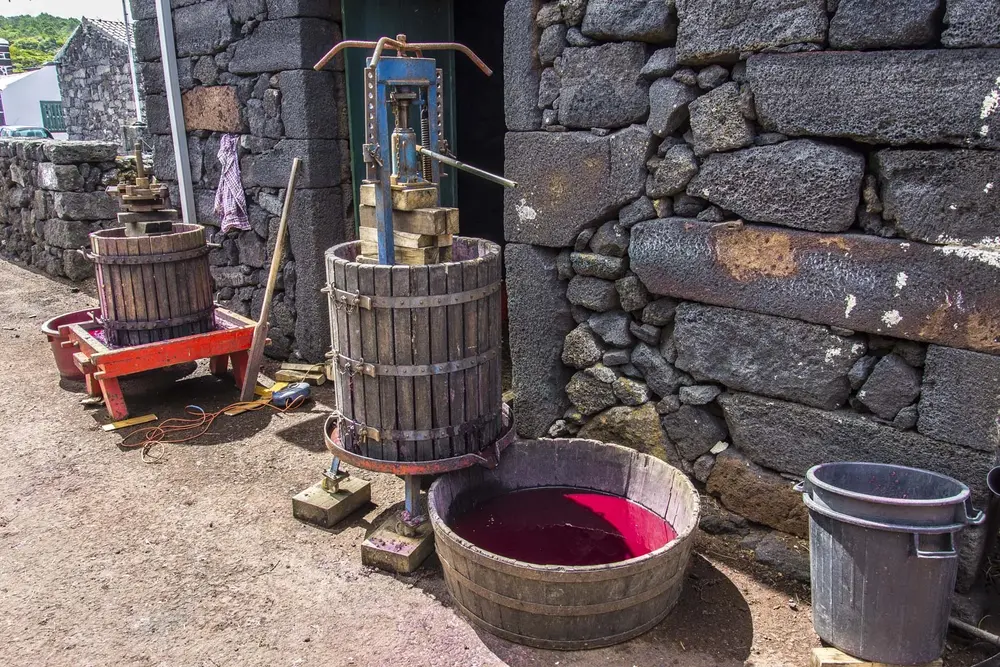
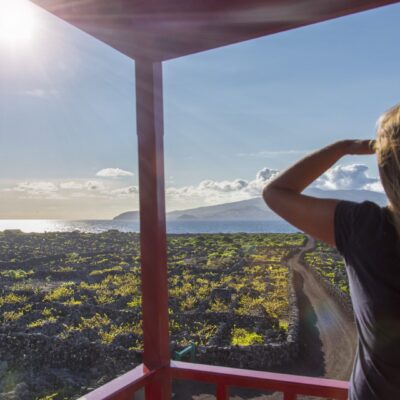
Very poor in fertile land, the island of Pico was, over the centuries, shaped by Man for the implantation of vineyards in the basaltic slabs, where an inhospitable terrain was transformed into fertile and productive vineyard fields.
It is one of the most beautiful islands in the Azores, full of secrets and stories. Here you can feel the force of nature in its joviality and, essentially, the persistence of a people who shaped nature according to their needs.
What you can’t miss:
Points of interest:
Pico

Pico
Pico