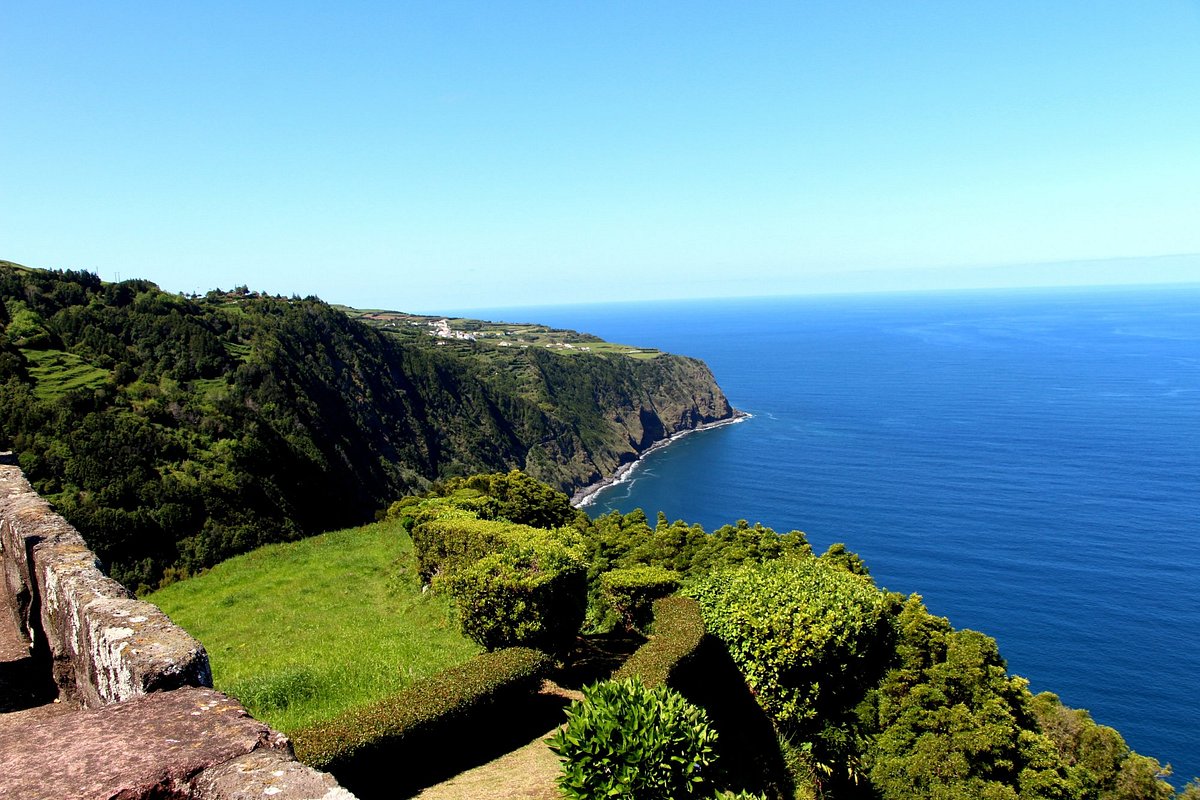
The weather in the Azores is mild throughout the year, with temperatures generally ranging from around 14°C (57°F) in winter to 26°C (79°F) in summer. However, the islands are known for rapidly changing conditions, and sunshine, clouds, wind and rain can sometimes occur on the same day.
Located in the middle of the Atlantic Ocean, the Azores have a subtropical oceanic climate influenced by the surrounding sea. Winters are mild and wetter, while summers are warmer, sunnier and generally drier.
If you are planning a trip, understanding the Azores weather by month can help you choose the best time for hiking, whale watching, swimming, sightseeing and other outdoor activities.
There is no extreme hot or cold season in the Azores. Instead, temperatures remain relatively mild throughout the year.
As a general guide:
One of the most important things to know about weather in the Azores is that conditions can change quickly.
It may be cloudy or raining in one part of an island while another area is sunny. Higher areas around volcanic lakes and mountains are also more likely to experience fog and clouds than coastal locations.
For this reason, flexibility is one of the best things you can bring on a trip to the Azores.
Here is a quick overview of what you can generally expect throughout the year:
| Month | Air Temperature | Sea Temperature | Weather | Best For |
|---|---|---|---|---|
| January | 14–18°C | 17–18°C | Mild, wet and changeable | Hot springs & sightseeing |
| February | 14–18°C | 17°C | Cool, humid and rainy | Hot springs & culture |
| March | 14–19°C | 17°C | Variable with sunny periods | Nature & whale watching |
| April | 15–20°C | 17–18°C | Milder with occasional showers | Whale watching & hiking |
| May | 16–21°C | 18–19°C | Pleasant and increasingly sunny | Hiking & nature |
| June | 18–23°C | 19–20°C | Warmer with less rainfall | Hiking & outdoor activities |
| July | 20–25°C | 21–22°C | Warm and generally drier | Swimming & outdoor activities |
| August | 21–26°C | 23–24°C | Warmest and generally most stable | Beaches & water activities |
| September | 20–25°C | 23–24°C | Warm with increasing rainfall | Swimming & hiking |
| October | 18–23°C | 21–22°C | Mild but wetter | Nature & sightseeing |
| November | 16–21°C | 20°C | Humid with frequent showers | Hot springs & culture |
| December | 15–19°C | 18–19°C | Mild, wet and changeable | Hot springs & relaxation |
Temperatures are approximate and can vary between islands, altitude and individual weather conditions.
January is one of the coolest and wettest months in the Azores, although temperatures remain mild compared with much of mainland Europe.
Daytime temperatures are generally around 14°C to 18°C. Rain showers and windy periods are common, but there can also be clear and sunny intervals between them.
It is a good month for exploring volcanic landscapes, towns and geothermal areas such as Furnas. Visitor numbers are also much lower than during summer.
February remains mild, humid and relatively wet. Temperatures are similar to January, usually between 14°C and 18°C.
The weather can change quickly, so waterproof clothing is useful if you plan to spend a lot of time outdoors.
It is still one of the quietest periods of the year, making February suitable for travellers who prefer fewer crowds and a slower pace.
March marks the transition towards spring. Temperatures begin to rise slightly, generally reaching around 14°C to 19°C.
Rain remains possible, but longer periods of good weather start to become more frequent.
March is also an interesting time for marine wildlife as the spring whale-watching season begins to develop.
April generally brings milder spring conditions, with temperatures around 15°C to 20°C.
Showers are still common, but the longer days and greener landscapes make this an excellent period for nature activities.
April is particularly popular for whale watching, as several migratory species pass through Azorean waters during spring.
May is one of the most pleasant months to visit the Azores. Temperatures usually range from approximately 16°C to 21°C, days become longer and rainfall generally starts to decrease.
The islands are exceptionally green at this time of year, and spring flowers add even more colour to the landscape.
May is particularly suitable for hiking, sightseeing, whale watching and exploring the islands before the busiest summer period begins.
June marks the beginning of the warmer and generally drier period in the Azores.
Temperatures are usually around 18°C to 23°C, and the combination of longer days, mild weather and relatively moderate visitor numbers makes June one of the best months for outdoor activities.
It is an excellent time for hiking, kayaking, cycling and exploring volcanic landscapes.
July is one of the warmest and driest months of the year.
Temperatures generally range between 20°C and 25°C, and the sea becomes increasingly comfortable for swimming and other water activities.
Although the weather is generally more stable than during winter and spring, occasional clouds or showers are still possible.
July is also part of the high season, so popular attractions and accommodation tend to be busier.
August is typically the warmest month in the Azores, with temperatures often between 21°C and 26°C.
The ocean is also at its warmest, reaching approximately 23°C to 24°C, making August particularly attractive for swimming, snorkeling, kayaking and boat trips.
Rainfall is generally lower and weather conditions tend to be more stable, although the Azorean climate can still produce sudden changes.
August is peak tourist season, so booking accommodation, rental cars and popular activities in advance is recommended.
September is one of the best months to visit the Azores for travellers looking for warm weather with slightly fewer visitors.
Air temperatures remain around 20°C to 25°C, while the Atlantic Ocean retains much of its summer warmth.
Conditions are still excellent for swimming, hiking and outdoor activities, although rainfall gradually becomes more frequent towards the end of the month.
October marks a clearer transition towards the wetter part of the year, but temperatures remain pleasantly mild at around 18°C to 23°C.
The sea is also still relatively warm after summer.
Weather becomes more changeable, so October visitors should be prepared for both sunshine and rain. It can nevertheless be a rewarding month for hiking, photography and sightseeing with fewer crowds.
November is wetter and more humid, with temperatures generally between 16°C and 21°C.
Rain showers become more frequent and periods of strong wind are possible.
However, temperatures remain mild, and quieter attractions make November an interesting option for travellers who do not mind adapting their plans to the weather.
December is mild compared with winter in most of Europe, with temperatures generally between 15°C and 19°C.
Rain and wind are more frequent, but sunny periods are still possible.
This is a particularly good time to enjoy geothermal pools, local food, cultural attractions and the quieter side of the islands.
The Atlantic Ocean surrounding the Azores changes considerably throughout the year.
Sea temperatures are generally around 17°C in winter and can reach approximately 23°C to 24°C in late summer and early autumn.
The warmest sea temperatures are normally experienced around August and September, making these months particularly attractive for swimming and water activities.
Swimming is possible at other times of the year, but the water will feel considerably cooler during winter and spring.
Rain is part of the Azorean climate and one of the reasons the islands remain so green throughout the year.
However, a rainy forecast does not necessarily mean an entire day of continuous rain.
Showers can be localised and conditions often change rapidly. It is common to encounter rain in one part of an island and sunshine somewhere else.
Rainfall is generally more frequent from October to March, while the summer months tend to be drier.
This is also why checking local weather conditions during your trip is useful, especially before visiting higher-altitude attractions and viewpoints.
Because the weather can change quickly, layers are useful throughout the year.
For most trips, consider bringing:
During winter, a warmer waterproof layer is useful, particularly in windy or higher-altitude areas.
In summer, lightweight clothing is normally sufficient during the day, but carrying a light jacket is still a good idea.
There is no single best month to visit the Azores because the ideal period depends on what you want to do.
As a general guide:
If your priority is warm weather and swimming, July, August and September are generally the best choices.
If you prefer hiking, nature and fewer visitors, May, June and September offer an excellent balance.
August is generally the warmest month in the Azores, with daytime temperatures often reaching around 25°C to 26°C.
January and February are generally the coolest months, although daytime temperatures usually remain around 14°C to 18°C.
Rainfall is generally more frequent during autumn and winter, particularly between October and March. However, rain can occur at any time of year.
No. The Azores are known for rapidly changing weather, and rainfall is often intermittent or localised. A rainy morning can be followed by sunshine later in the day.
Snow is extremely rare across most of the Azores. It can occasionally occur at the highest elevations, particularly on Mount Pico, the highest mountain in Portugal, during colder winter conditions.
Swimming is possible throughout the year, particularly in natural thermal pools, but ocean temperatures are most comfortable during summer and early autumn. August and September generally have the warmest sea temperatures.
The islands share a similar oceanic climate, but local conditions can vary due to altitude, terrain and geographical location. Even within the same island, the weather can be different between the coast, mountains and volcanic calderas.
The weather in the Azores is mild throughout the year, which means there is no single bad season to visit the islands. What changes from month to month is the amount of rain, sunshine, wind and warmth you can expect.
Summer offers the warmest and generally most stable conditions, while spring and early autumn provide an excellent balance between pleasant weather, outdoor activities and fewer visitors. Winter is wetter but offers a quieter and very different experience of the islands.
The key to enjoying the Azores is simple: check the weather, remain flexible and be prepared for conditions to change. Sometimes a cloudy morning can turn into a spectacular afternoon.
Looking for more inspiration for your trip to the Azores?
Explore more articles on our blog.
Follow us on Instagram @at_azores for experiences, travel tips and inspiration from across the Azores.